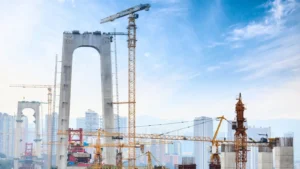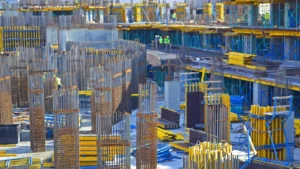


The construction industry is one of the key pillars of the economy, playing a vital role in driving economic growth and social development. However, it is also a major contributor to environmental challenges, including air pollution, water contamination, and greenhouse gas emissions.
For this reason, prioritizing sustainable development in the construction sector has become an urgent necessity. Adopting sustainable practices not only helps protect the environment but also supports long-term economic growth and social well-being.
To achieve sustainable development in the construction industry, several key measures should be implemented:
- Use environmentally friendly building materials: The industry should promote the use of sustainable materials such as recycled materials and green building products. These materials help reduce environmental impact while conserving natural resources.
- Adopt advanced construction technologies: Modern construction technologies can improve efficiency, reduce project costs, optimize resource utilization, and minimize environmental pollution.
- Strengthen quality control: Construction projects should be subject to rigorous quality management to ensure safety, durability, and environmental sustainability throughout their lifecycle.
- Raise awareness and promote education: Greater efforts are needed to educate investors, contractors, and the public about the importance and benefits of sustainable construction practices.
Sustainable development in the construction industry is a long-term commitment that requires the collective efforts of government authorities, businesses, industry professionals, and society as a whole. Through collaboration and continuous innovation, the industry can contribute to a greener and more sustainable future.